Awaza, Turkmenistan
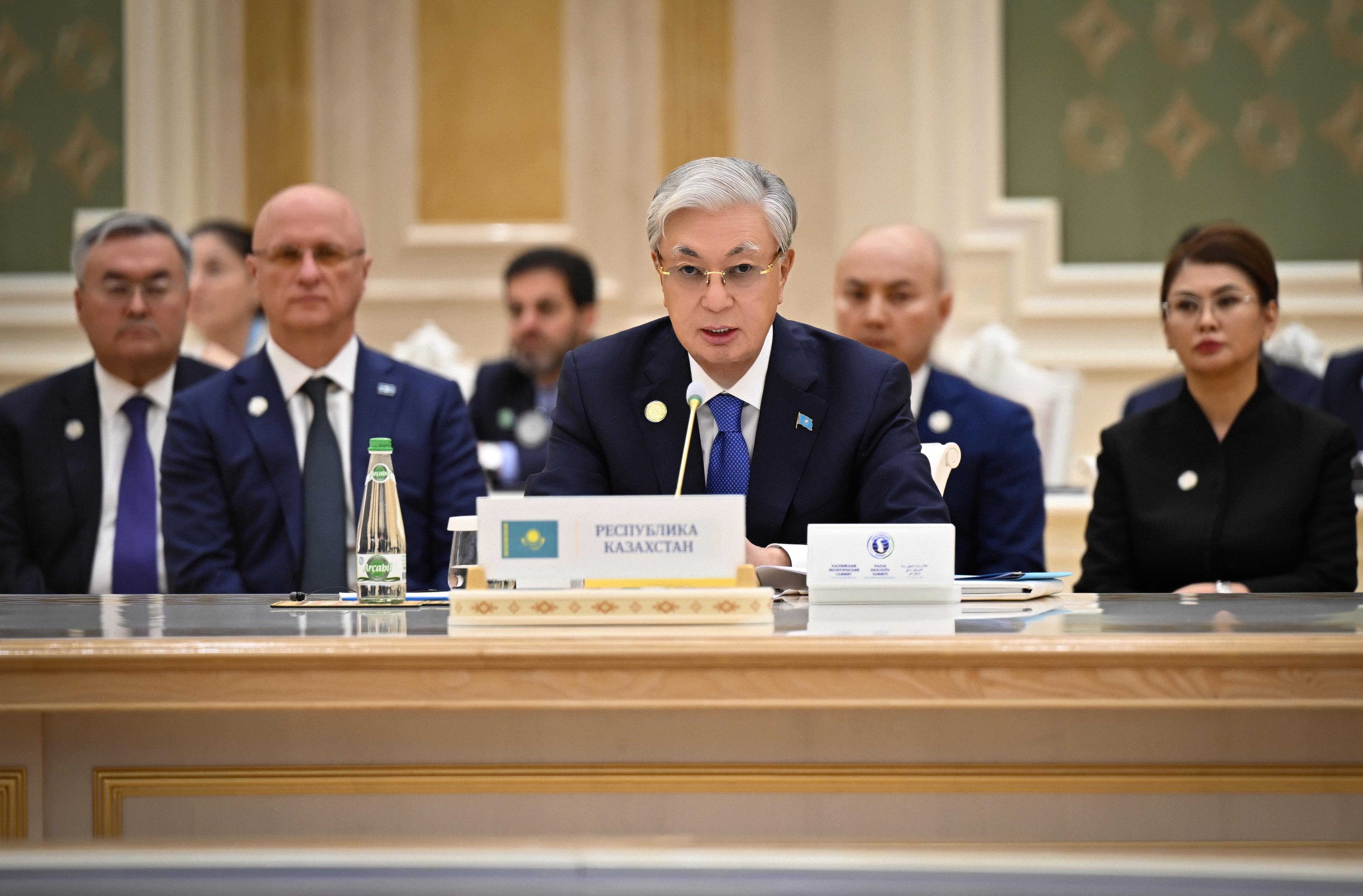
In his address, Head of State Kassym-Jomart Tokayev expressed his gratitude to President of Turkmenistan Serdar Berdimuhamedov for his timely and important initiative to convene the first Caspian Environmental Summit. He described the meeting as historic, noting that the Caspian Sea holds immense strategic importance for the peoples of the region.
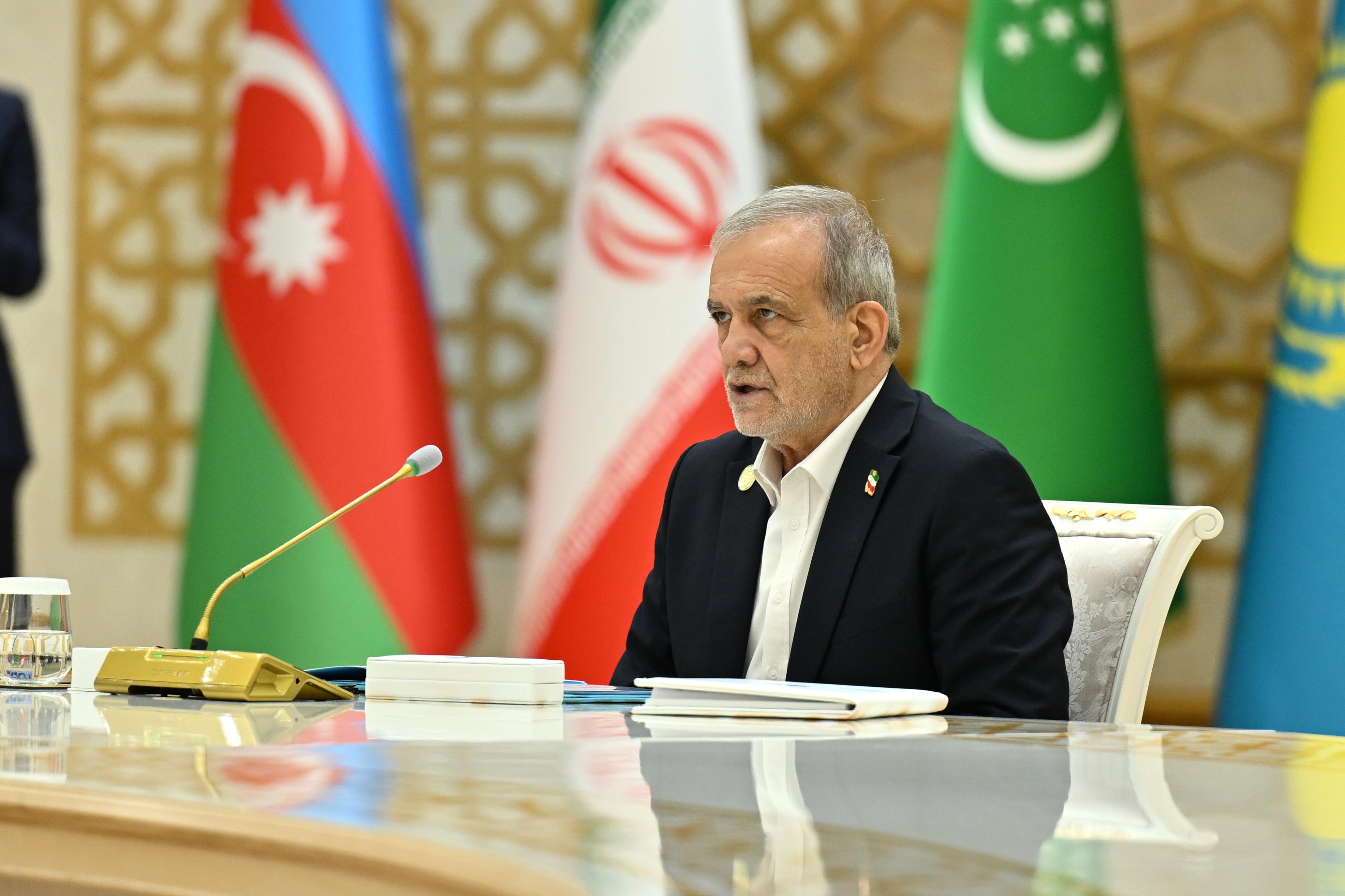
“The Caspian Sea is a unique natural treasure, a source of prosperity for millions of people, and a key transport and energy hub for the entire Eurasian continent. Preserving its ecosystem therefore requires particular attention, above all from our states. I agree with President of Iran Masoud Pezeshkian that this is no longer merely an environmental crisis but in essence, an economic crisis with potentially dangerous consequences. If urgent and decisive action is not taken now, the environmental situation will deteriorate rapidly, causing irreparable damage not only to the peoples of the Caspian littoral states but also to the international community as a whole. Between 2000 and 2025, the total area of the Caspian Sea shrank by more than 16,000 square kilometres. In some areas, the shoreline has receded by tens of kilometres. Reduced inflows, rising temperatures and human-induced pressures are having an extremely adverse, indeed destructive, impact on the sea’s fragile natural system and biodiversity. The fate of the Caspian seal is a particular cause for concern: its population has declined from one million to 270,000 over the past century,” Kassym-Jomart Tokayev said.
The President of Kazakhstan stressed that the critical state of the Caspian Sea cannot be viewed in isolation from the large-scale climate changes affecting the region. According to projections, temperatures in some parts of the region could rise by as much as 5°C by the end of this century.
“This will accelerate glacier melt, exacerbate water shortages and droughts, and lead to land degradation. According to the World Bank, by 2050, nearly 2.5 million people in the region could face the risk of internal displacement due to climate-related factors. The shrinking sea poses serious threats to shipping and port infrastructure, fisheries, energy, industry and the sustainable development of coastal communities. These interconnected challenges could lead to a large-scale environmental catastrophe. Kazakhstan understands the grave consequences of such a scenario. The tragedy of the Aral Sea remains a stark reminder of the devastating results of irresponsible management of natural resources. We must under no circumstances allow such a situation to recur. Saving the Caspian Sea, once rightly described as ‘great’ and ‘wise’, is not merely our responsibility, it is a matter of honor for the statesmen of our time. This is about the legacy we will leave to future generations. The decisions we make today will largely determine the Caspian Sea that our children and grandchildren will inherit,” the Head of State stated.
Kassym-Jomart Tokayev noted that Kazakhstan attaches great importance to addressing environmental challenges at both the international and national levels.
“We believe it is essential to promote respect for nature and its intrinsic value. It is no coincidence that these principles are reflected in our new Constitution, which obliges all citizens to treat nature and its resources with care and makes the state responsible for protecting the environment in ways that safeguard human life and health. Our nationwide Taza Qazaqstan initiative has brought together nearly one million volunteers and become an effective driver of a new environmental culture. We are guided by what may seem a simple but fundamental principle: economic development and environmental protection are not contradictory; on the contrary, they complement one another,” the President noted.
The Head of State cited inspiring examples of nature being restored in places where the damage had once seemed irreversible.
“We have managed to increase the area of the Northern Aral Sea by 36%. As a result, water quality has improved, fish stocks have recovered, and economic life in the surrounding areas is gradually being revitalized. Biodiversity conservation is a key priority of our environmental policy. Consistent efforts have helped restore saiga populations. Snow leopard populations are being sustained, and rare animal species are returning to their natural habitats. We believe this positive experience can also be applied to preserving the unique ecosystem of the Caspian Sea. We are implementing a special program to reintroduce the Turanian tiger. In this regard, I would like to express my gratitude to the Government of the Russian Federation and personally to President Vladimir Putin for providing several Amur tigers, a unique species that is now adapting successfully to our environment,” Kassym-Jomart Tokayev emphasized.
The President noted that a solid international legal and institutional framework for Caspian cooperation was already in place.
“The Tehran Convention is of particular importance. This year marks the 20th anniversary of its entry into force. The United Nations Environment Programme is also making a significant contribution to environmental protection efforts. Kazakhstan supports Azerbaijan’s proposal to establish an Intergovernmental Commission on the Decline of the Caspian Sea Water Level at the level of deputy prime ministers. The Caspian littoral states have endorsed Kazakhstan’s proposal to develop an Interstate Program for the Conservation of the Caspian Sea’s Water Resources. We highly appreciate the efforts of all our international partners and, of course, our friends around the Caspian Sea – the littoral states. Nevertheless, the measures taken so far remain insufficient. The time has therefore come to move towards coordinated action to mitigate the effects of the declining water level and help our economies and ecosystems adapt to the changes underway,” the Head of State said.
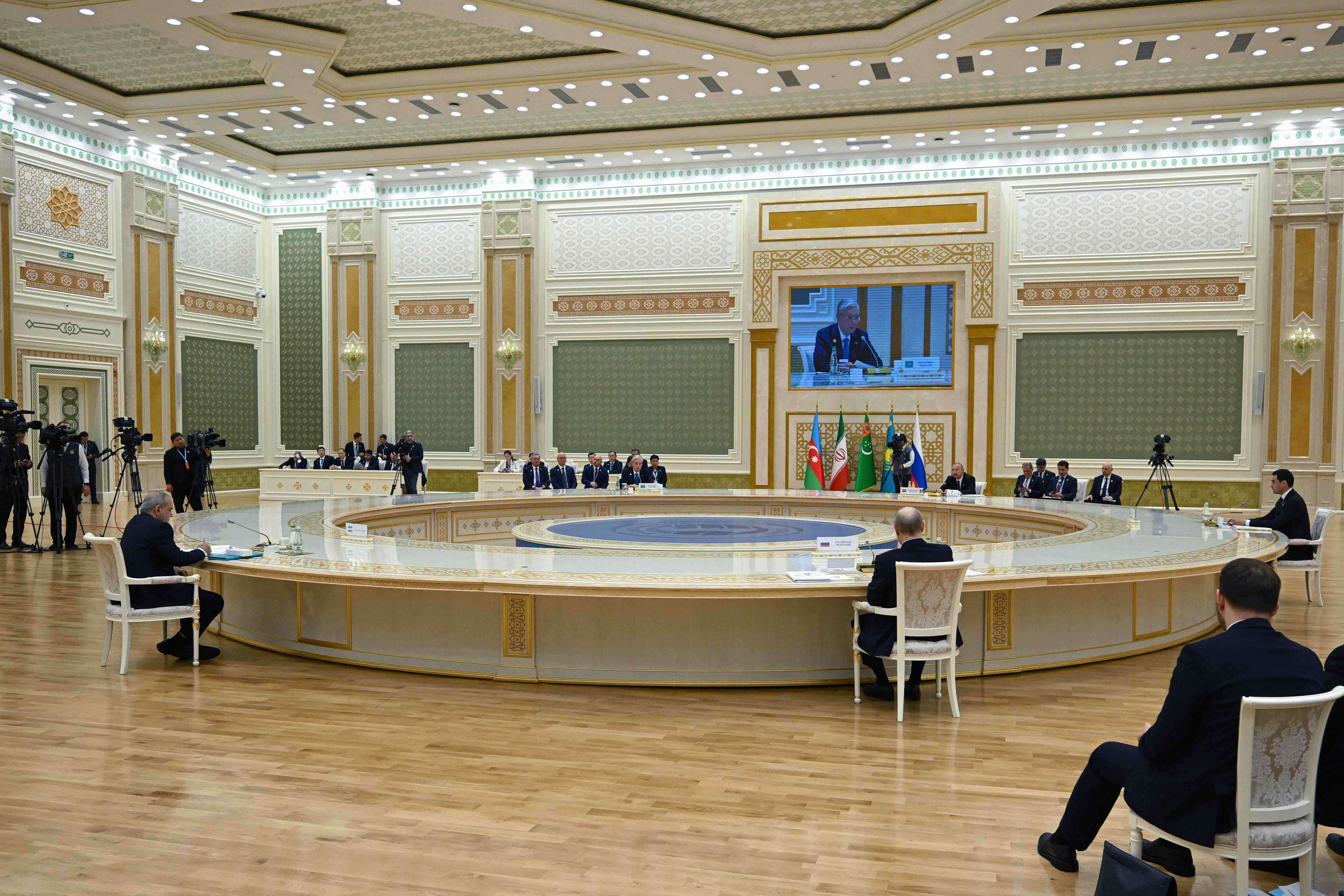
Kassym-Jomart Tokayev proposed that the Summit participants focus on several key priorities. He stressed the need for a coordinated scientific approach to identifying and addressing environmental threats in a timely manner.
“The Caspian littoral states possess a substantial body of data, scientific research and observations. To maximize their effectiveness, however, these resources must operate as part of an integrated system. In 2024, Kazakhstan established the Research Institute for the Caspian Sea. Its capabilities could be harnessed jointly with research centres across all Caspian littoral states to conduct comprehensive studies and develop common adaptation scenarios,” the President of Kazakhstan noted.
The Head of State also highlighted the importance of introducing modern technologies into the management of the Caspian ecosystem.
“We propose exploring the possibility of establishing a shared digital platform to process and analyze data on the state of water resources, changes in the shoreline, biodiversity, pollution, river flows and other key parameters. Satellite technologies, artificial intelligence and advanced forecasting systems would enable real-time monitoring and help identify and address environmental risks in a timely manner. Such a platform could serve as a common digital foundation for the work of our scientists, relevant government agencies and international organizations,” Kassym-Jomart Tokayev said.
The President stressed the importance of taking additional measures to preserve the Caspian Sea’s biodiversity. In his view, the decline in water levels, changes to natural habitats, pollution and human-induced pressures make it essential to strengthen joint efforts to restore spawning grounds, protect delta ecosystems and safeguard particularly vulnerable species of flora and fauna.
“The experience of the Northern Aral Sea demonstrates that combining engineering solutions with a science-based, nature-oriented approach can effectively address water management and environmental challenges, enhance the resilience of coastal areas and mitigate the consequences of climate change. Greater attention should also be paid to combating illegal fishing, poaching and the illicit trade in biological resources. This problem can only be resolved through collective efforts. We need to intensify information-sharing between law enforcement and environmental protection agencies, conduct joint operations and make use of digital monitoring tools. Kazakhstan is ready to contribute to this common effort by drawing on the capabilities of the state nature reserve established to protect the Caspian seal and its natural habitat. Preserving ecological corridors also deserves particular attention, as this would minimize human-induced impacts on areas that are crucial to the seals’ life cycle. After all, the Caspian Sea is inconceivable without its seal population. Kazakhstan is establishing an International Biodiversity Conservation Fund to bring together the global community’s efforts to preserve our shared natural heritage. One of the Fund’s key areas of activity will be the protection of rare species and the Caspian Sea’s unique ecosystems. I invite all interested parties to take an active part in the Fund’s work, with a focus on implementing concrete joint projects,” the Head of State said.
Kassym-Jomart Tokayev called for international efforts to be consolidated to preserve the Caspian Sea and establish a coordinated portfolio of the most promising projects.
“These projects should cover both the sea itself and the river basins that feed into it. We must restore water flows, river deltas and wetlands, and rehabilitate hydraulic infrastructure. Grants, concessional lending and other channels of climate finance can and should support these efforts,” the President of Kazakhstan said.
The Head of State also emphasized the fundamental importance of completing the establishment of a permanent Secretariat of the Tehran Convention.
“We need an effective mechanism to ensure continuity in decision-making, coordinate activities and monitor the implementation of all agreements reached at the highest level. Kazakhstan will continue its efforts to establish an International Water Organization under the auspices of the United Nations. Our shared objective is to improve the effectiveness of global water governance while giving priority attention to the environmental state of the Caspian Sea. Water security must be given its rightful place on the international agenda, alongside food, energy and climate security,” Kassym-Jomart Tokayev stated.
As the President emphasized, the Caspian Sea is a single ecosystem that recognizes no state borders. Common success is therefore impossible without coordinated action within international organizations and on financial markets.
“All the necessary conditions for productive cooperation are in place: political dialogue, an international legal framework, specialized institutions and considerable scientific expertise. I hope that, through our joint efforts, we will preserve the Caspian Sea as a source of life, prosperity and a shared future for our peoples,” the Head of State concluded.
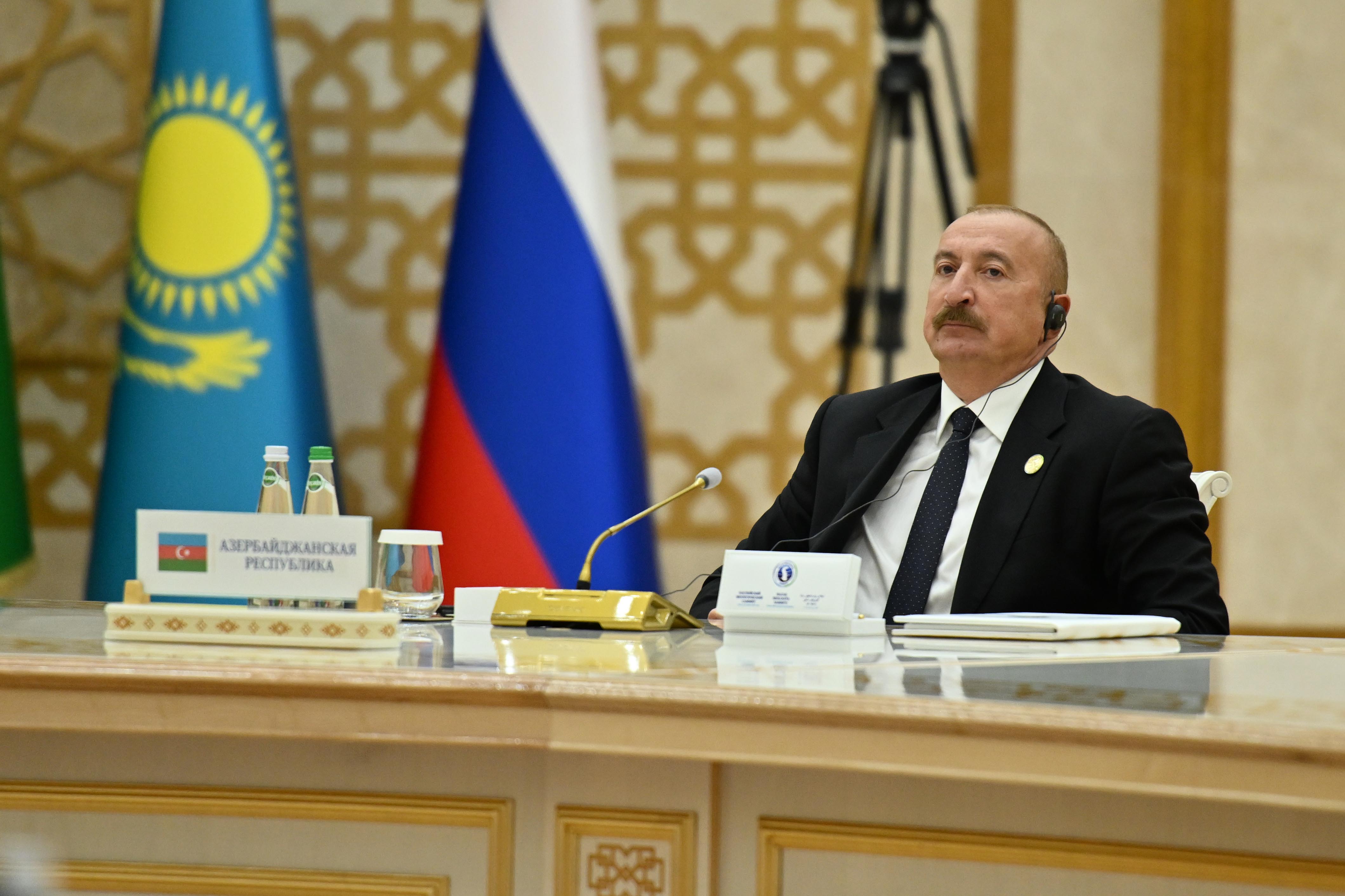
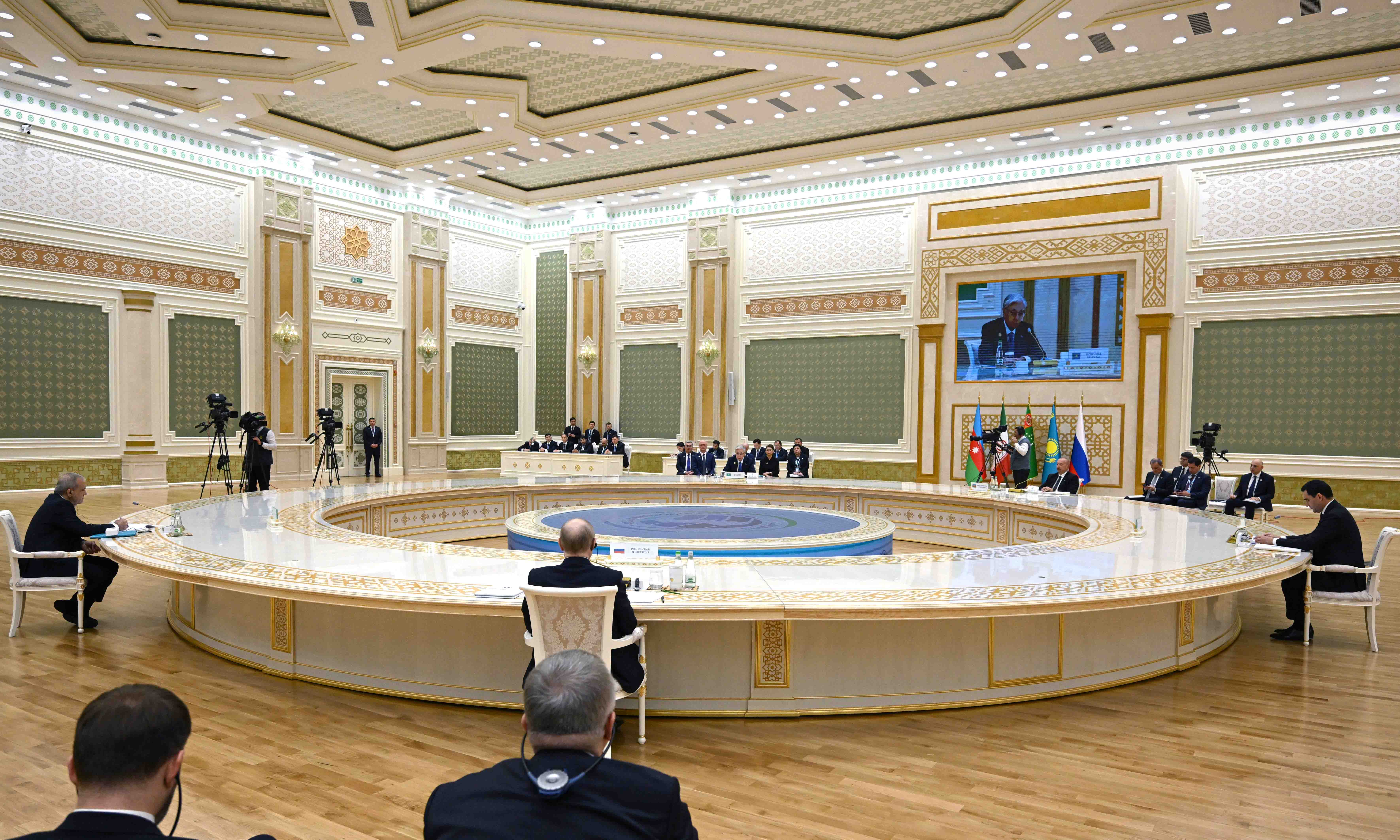
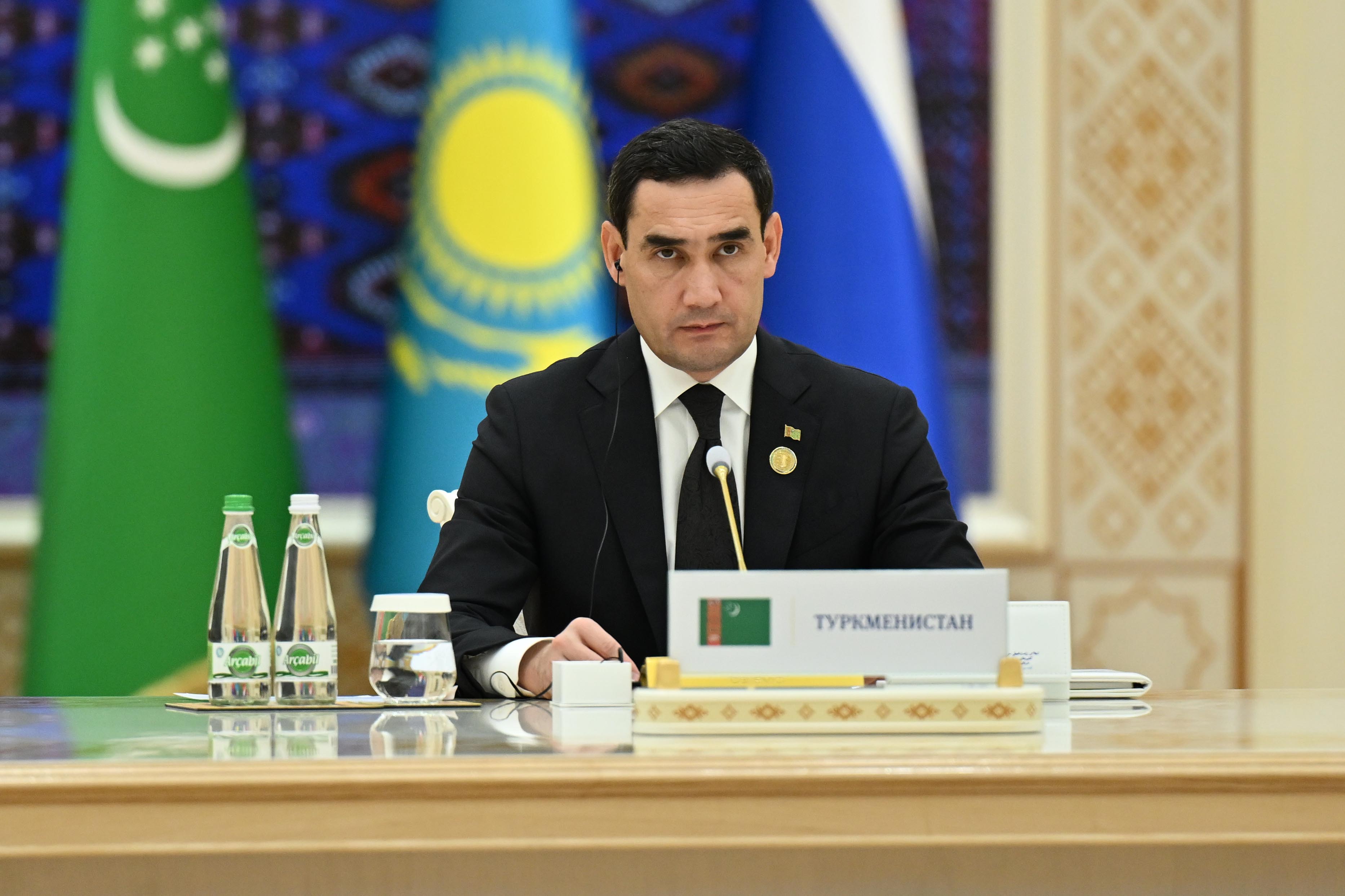
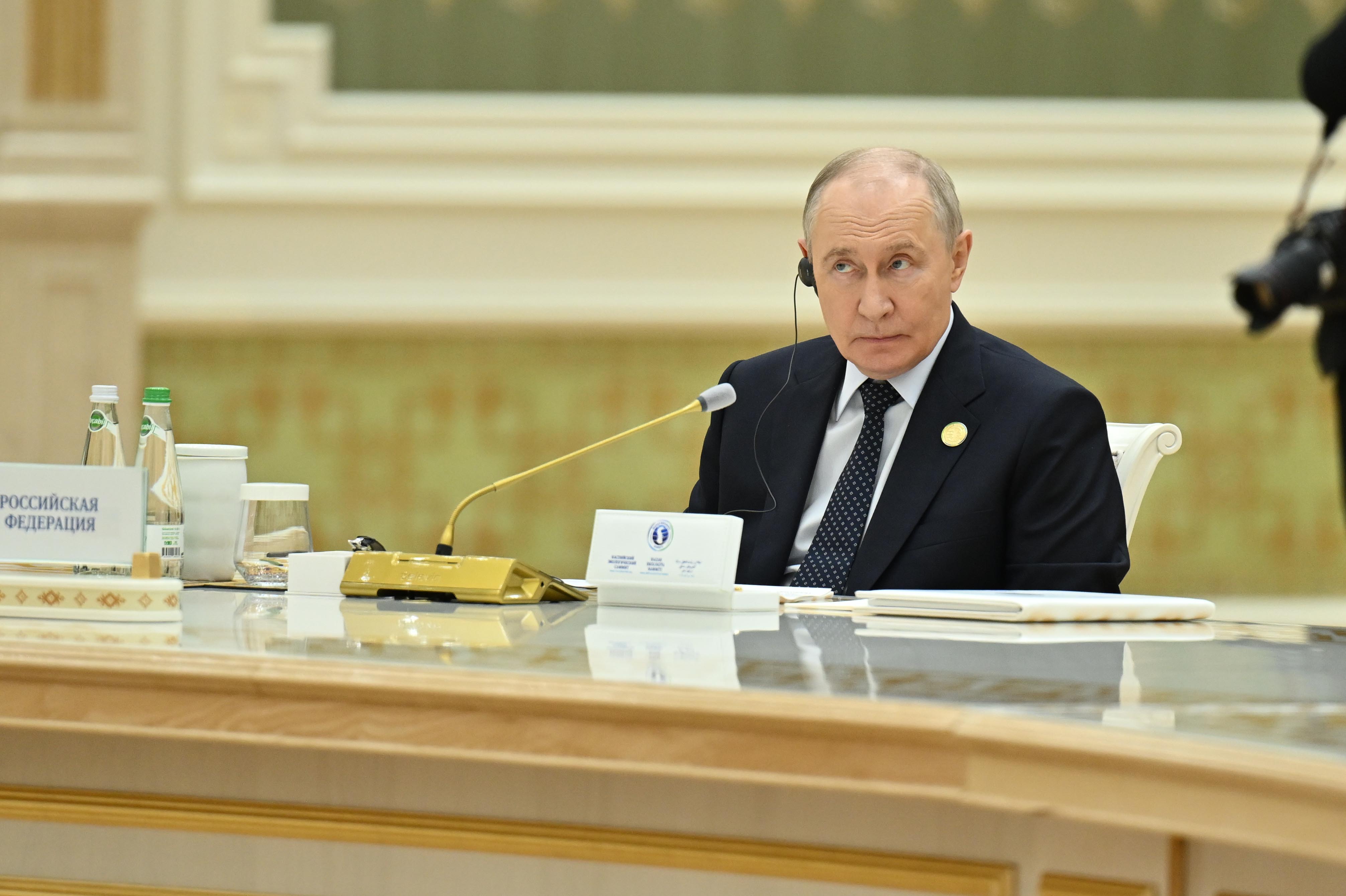
The Summit also heard addresses by President of Turkmenistan Serdar Berdimuhamedov, President of Azerbaijan Ilham Aliyev, President of Iran Masoud Pezeshkian and President of Russia Vladimir Putin.