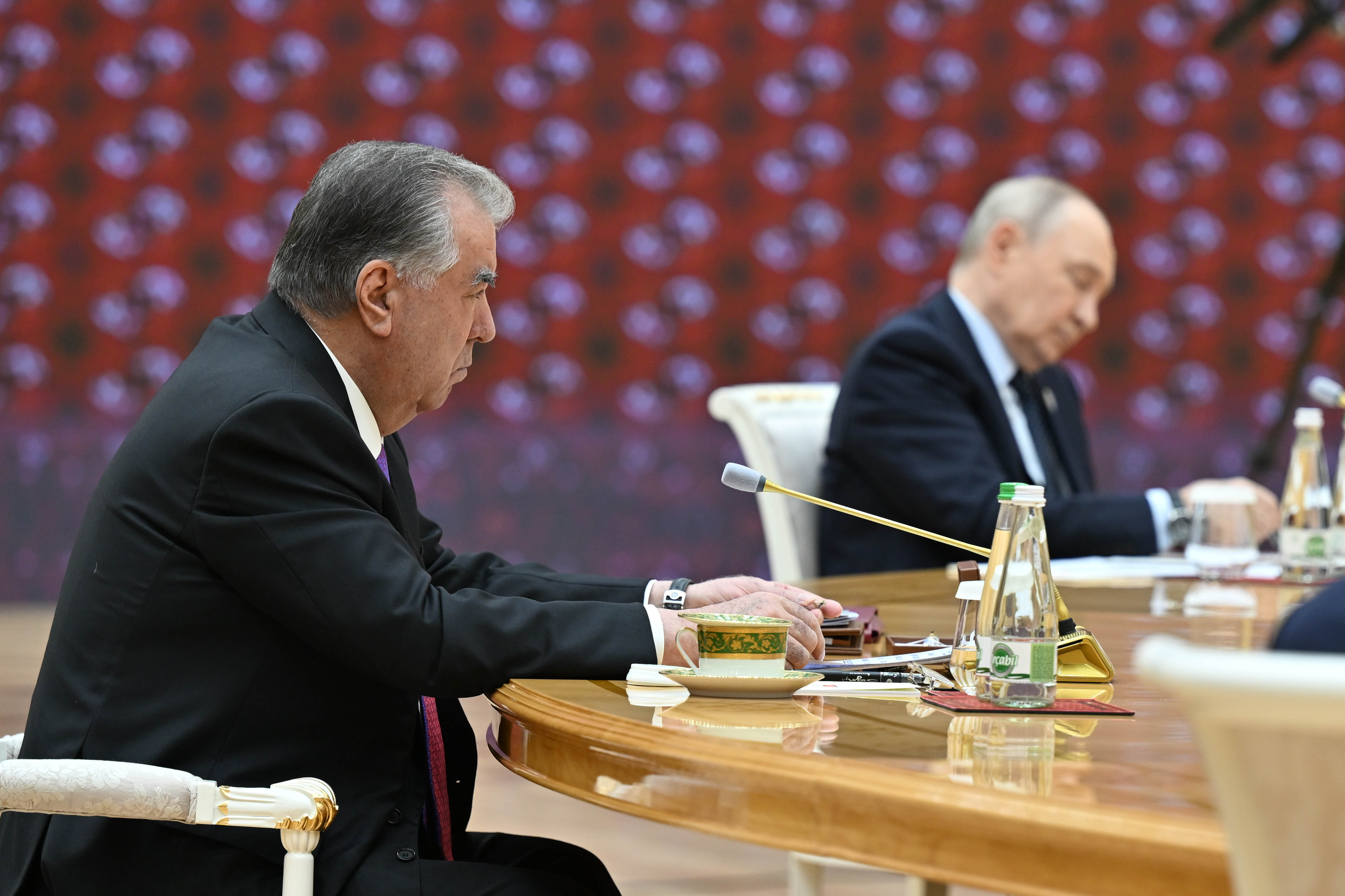
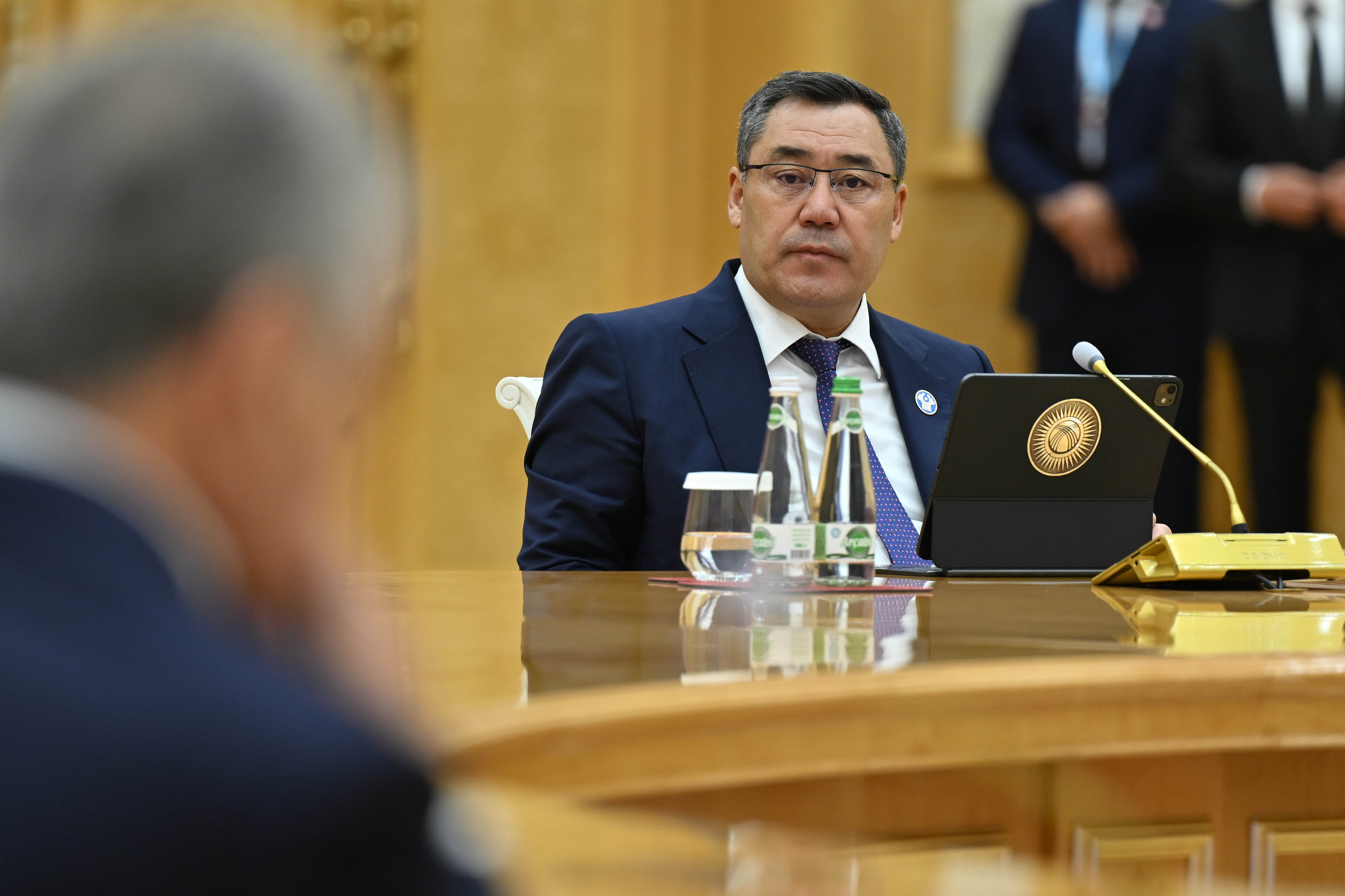
Awaza, Turkmenistan
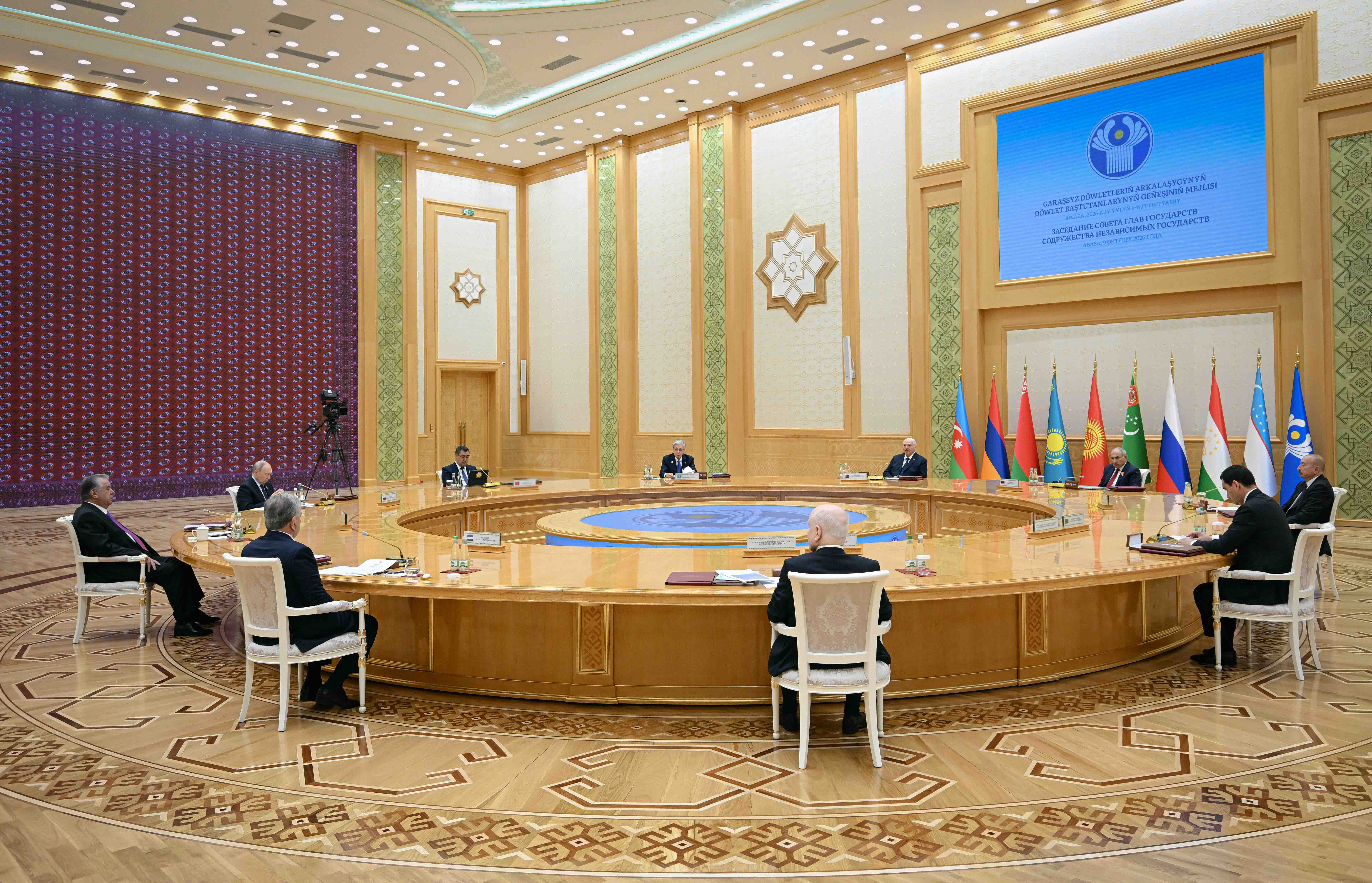
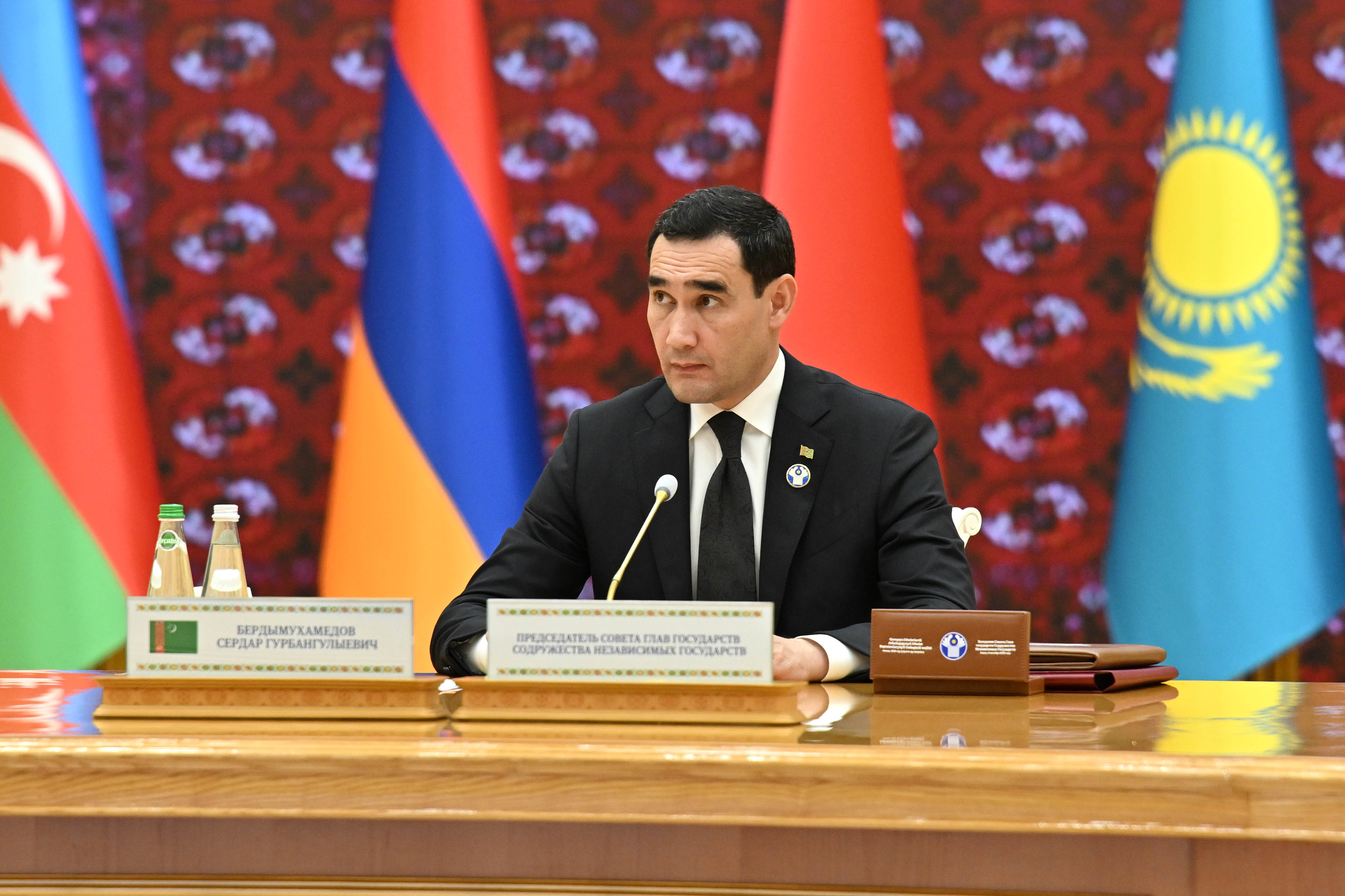
Addressing the participants of the meeting, President of Kazakhstan Kassym-Jomart Tokayev expressed his gratitude to President of Turkmenistan Serdar Berdimuhamedov for the meticulous organization of the summit and the traditionally warm hospitality.
“Kazakhstan highly appreciates the results of Turkmenistan’s chairmanship and its significant contribution to advancing the common CIS agenda. In this regard, I would like to express my gratitude to you, dear colleague, for this highly professional work. The current summit is being held in the year marking the 35th anniversary of the Commonwealth of Independent States. As you know, Kazakhstan was among the founding members of the Organization and takes rightful pride in its constructive role. The signing of the Alma-Ata Declaration in 1991 was truly a watershed moment in the history of our states. The establishment of the CIS helped avert an all-out conflict in the so-called post-Soviet space. It would be no exaggeration to say that the consolidating mission of the CIS was particularly evident as our countries gained independence. Amid intensifying centrifugal processes, we preserved our historical ties and established an entirely new framework for interstate cooperation. Over the years, the Commonwealth has established itself as an effective multilateral mechanism for strengthening trust and cooperation and has gained broad international recognition,” Kassym-Jomart Tokayev noted.
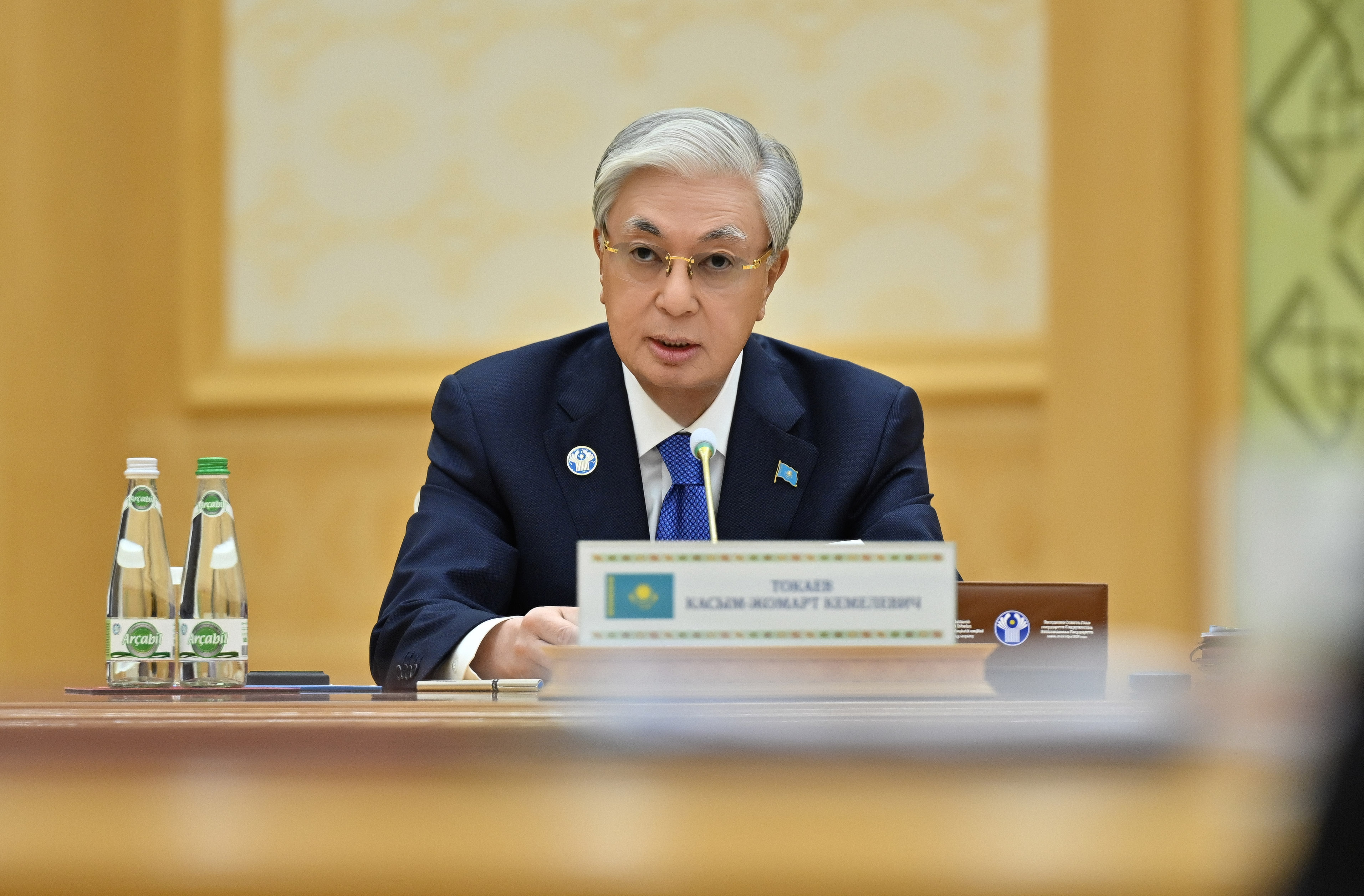
The President emphasized that the CIS’s greatest asset is the friendship among our peoples and our shared cultural and spiritual heritage.
“Before our eyes, a new architecture of international relations is taking shape, the system of global economic ties is being disrupted, technological competition is intensifying, and uncertainty and unpredictability are growing. Against this backdrop, direct and trust-based dialogue, which enables us to find mutually agreed solutions that take the interests of every state into account, is becoming critically important. I am convinced that this explains the enduring relevance of the Commonwealth. In this anniversary year, I propose that we revisit the principles enshrined in the Declaration, reflect on the path we have taken and identify our priorities for the future. In November, an international conference dedicated to the 35th anniversary of this historic document will be held in Almaty under the auspices of the Kazakhstan Institute for Strategic Studies (KazISS). We invite scholars, legal experts, historians and specialists from CIS member states to take an active part in the conference,” he said.
As Kassym-Jomart Tokayev noted, our common task at this new historical juncture is to strengthen the Commonwealth’s capacity as a respected international organization and adapt it to new geopolitical realities. The President then outlined key areas of cooperation. In his view, the first priority is to establish the CIS’s long-term development priorities.
“The current Concept of Further Development of the Commonwealth was adopted back in 2007 and updated six years ago. The programs and documents subsequently adopted are sector-specific and often lack coordination with one another. I believe it is possible to combine them into a single, integrated system. We, the CIS member states, need to answer the question of what we want the Commonwealth to become in the long term and what place it should occupy in the evolving geopolitical architecture of Eurasia. I therefore propose that the CIS Executive Committee, together with the governments of our countries, begin developing a CIS Development Strategy through 2035. This is a medium-term horizon. It is important to focus on priorities of fundamental importance to our states: the economy, energy, infrastructure, advanced technologies and human capital. This approach will help ensure that our efforts are coordinated and consistent as we pursue sustainable progress,” the President said.
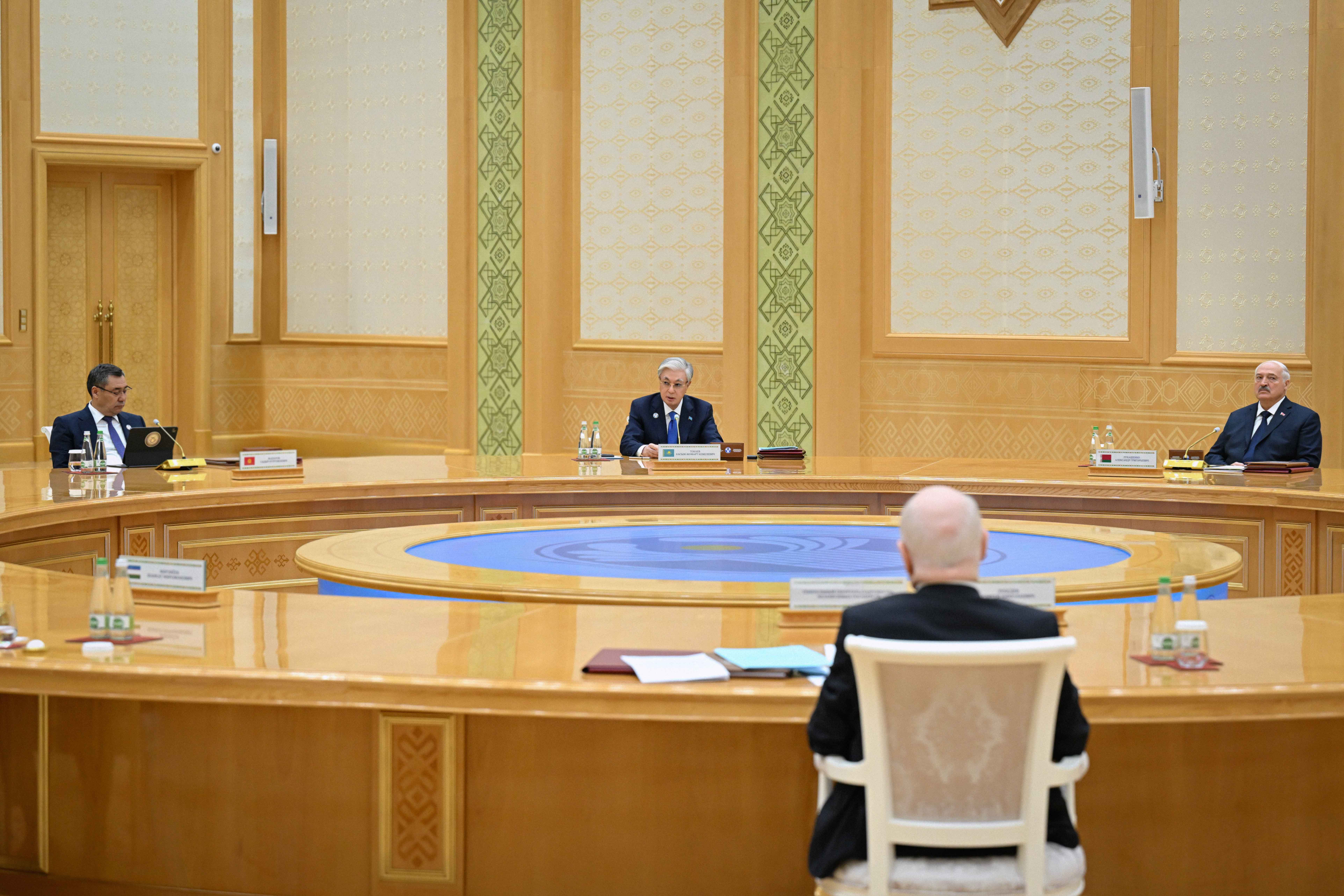
According to the Head of State, deepening economic cooperation and enhancing industrial and technological partnerships are particularly important. He underscored that the CIS markets had traditionally been highly significant for Kazakhstan, accounting for more than a quarter of the country’s foreign trade turnover.
“Last year, trade turnover amounted to approximately 40 billion US dollars, and in the first seven months of this year it increased by 10%. We have also accumulated considerable experience in establishing joint manufacturing facilities. For example, Kazakhstan’s portfolio of industrial projects involving the Russian Federation includes 178 projects and initiatives with a total value of 61 billion dollars, of which 124 have already been implemented. Work is under way on 80 projects with Uzbekistan, worth approximately 2 billion dollars. With Belarus, we have established joint production facilities for specialized and agricultural machinery,” Kassym-Jomart Tokayev noted.
The President went on to inform the summit participants that at the same time Kazakhstan was developing a network of cross-border industrial and trade centres along its borders with Russia, Uzbekistan and Kyrgyzstan. A legal framework has been established to strengthen industrial and trade cooperation.
“Modern infrastructure for developing business ties and launching new production facilities is taking shape across much of the CIS space. The task now is to unlock this existing potential. In other words, this means eliminating unjustified, artificially constructed barriers to mutual trade, expanding the services market and creating favorable conditions for reciprocal investment. A logical continuation of these efforts should be the implementation of major joint initiatives under the auspices of the Commonwealth. In this regard, I propose establishing a Portfolio of Flagship Industrial and Technological Projects of the CIS for 2027-2030. In my view, we should focus on producing goods with high added value, which would create new drivers of growth for our economies. At the same time, recognizing the complexity of this task, Kazakhstan will maintain a pragmatic and realistic approach, making effective use of its existing advantages and achievements in the economic sphere. Development institutions, financial organizations and the business community should be involved in this work,” Kassym-Jomart Tokayev said.
The President also identified the development of transport connectivity and the strengthening of transit potential as another promising area for expanding cooperation.
“For Kazakhstan, the key corridors are North–South, Western China–Western Europe, and the Trans-Caspian route. Their seamless integration would significantly enhance the efficiency of the entire continental transport system. This objective is supported by the Concept for the Integration of Major Transport Corridors Passing through the Territories of the CIS Member States, adopted in May this year at our country’s initiative. Kazakhstan is making a tangible contribution to implementing this Concept. In August, construction began on the new Aral–Caspian highway, with a total length of more than 1,500 kilometres. Once this strategic project is completed, the road route from China to Europe will be shortened by approximately 1,000 kilometres, while transit cargo delivery times will be reduced by up to three days. Work is also continuing on other major projects. So-called ‘soft infrastructure’ is playing an increasingly important role, including the digitalization of transport, electronic document management and the harmonization of border procedures. A key priority for us is to establish a ‘single digital corridor’. At our suggestion, electronic exchanges of transport permits have been introduced with Uzbekistan and Kyrgyzstan. Similar work is under way with Russia and Belarus. In May this year, the first cross-border unmanned cargo flights were launched jointly with Russia. I believe it would be practically beneficial to scale up the most effective solutions across the CIS,” the Head of State noted.
The President emphasized the growing importance of digitalization and the use of artificial intelligence and superintelligence. He believes that the ability to master emerging technologies and develop homegrown solutions is a key factor in the competitiveness of CIS economies. Kassym-Jomart Tokayev proposed establishing a mechanism for exchanging experience and best practices in AI strategies, legislation and government support measures, involving research centres, universities, companies and startups. He also proposed holding a dedicated forum on artificial intelligence in Astana in the first quarter of 2027 under the auspices CIS, bringing together specialists in the field.
According to the Head of State, strengthening cultural and humanitarian ties is also essential, as close people-to-people contacts, mutual trust, a shared mentality and the Russian language underpin the distinctive character of the CIS.
“At Kazakhstan’s suggestion, the CIS Heads of State adopted a Statement on the Development of Cooperation in the Field of Culture. The CIS Volunteer Forum was also established and held for the first time in Astana in August this year. I would also like to inform you that the very concept of volunteerism, or a policy of good deeds, is enshrined in our new Constitution. Volunteers have thus been granted constitutional status, with all the positive implications that this entails. I thank my colleagues and the governments of CIS member states for their consistent support for our initiatives. It is also important to recognize the enormous significance of the Russian language in relations between our countries. It promotes mutual understanding and expands educational, scientific and people-to-people contacts. This is an indisputable fact. I therefore ask my esteemed colleagues to support the work of the International Organization for the Russian Language. This organization has promising prospects. I am confident in it given that around 300 million people worldwide have varying degrees of proficiency in Russian. At the same time, it is essential to preserve and respect the linguistic and cultural diversity of CIS countries, show due regard for the history, traditions and cultures of all peoples, and seek more effective forms of humanitarian cooperation to bring our peoples closer together. It is particularly important to foster young people’s interest in reading. Reading is the foundation of education, sound thinking and well-rounded development, all of which are critically important in an environment of ‘internet dictatorship’ that has given rise to such phenomena as the TikTok mentality and corresponding behavioral patterns among young people. Kazakhstan has established a National Book Day and is implementing the ‘100 Read Books’ initiative. I propose taking this idea further by establishing a ‘CIS Golden Library Collection, comprising outstanding works of literature of our peoples. The collection could be housed in the Presidential Library, which will be completed in Astana in mid-2027. The project could include professionally translated works and the creation of an open-access digital library. I am convinced that by studying the history, culture, and spiritual heritage of the Commonwealth’s peoples through the promotion of the finest literary works, our youth will be able to better understand one another and, most importantly, stand together in this unstable world,” proposed Kassym-Jomart Tokayev.
The President also underscored the need to expand the Commonwealth’s international engagement. In particular, he recalled that the CIS Observer and CIS Partner frameworks had been established at Kazakhstan’s initiative.
“Building on this approach, the ‘CIS Plus’ format has been created. I believe the next step should be to convene the first ‘CIS Plus’ Summit. Such a high-level meeting would broaden the geographical scope of cooperation and enhance the Organization’s role as an open and relevant platform for engagement across Eurasia. Kazakhstan intends to continue working together in a constructive spirit on the Concept of Eurasian Security and Cooperation, bearing in mind the document’s positive and non-confrontational nature,” he said.
In conclusion, the Head of State emphasized that for 35 years, the Commonwealth had become an integral part of the lives of our states and peoples, and welcomed Uzbekistan’s upcoming chairmanship of the CIS in 2027.
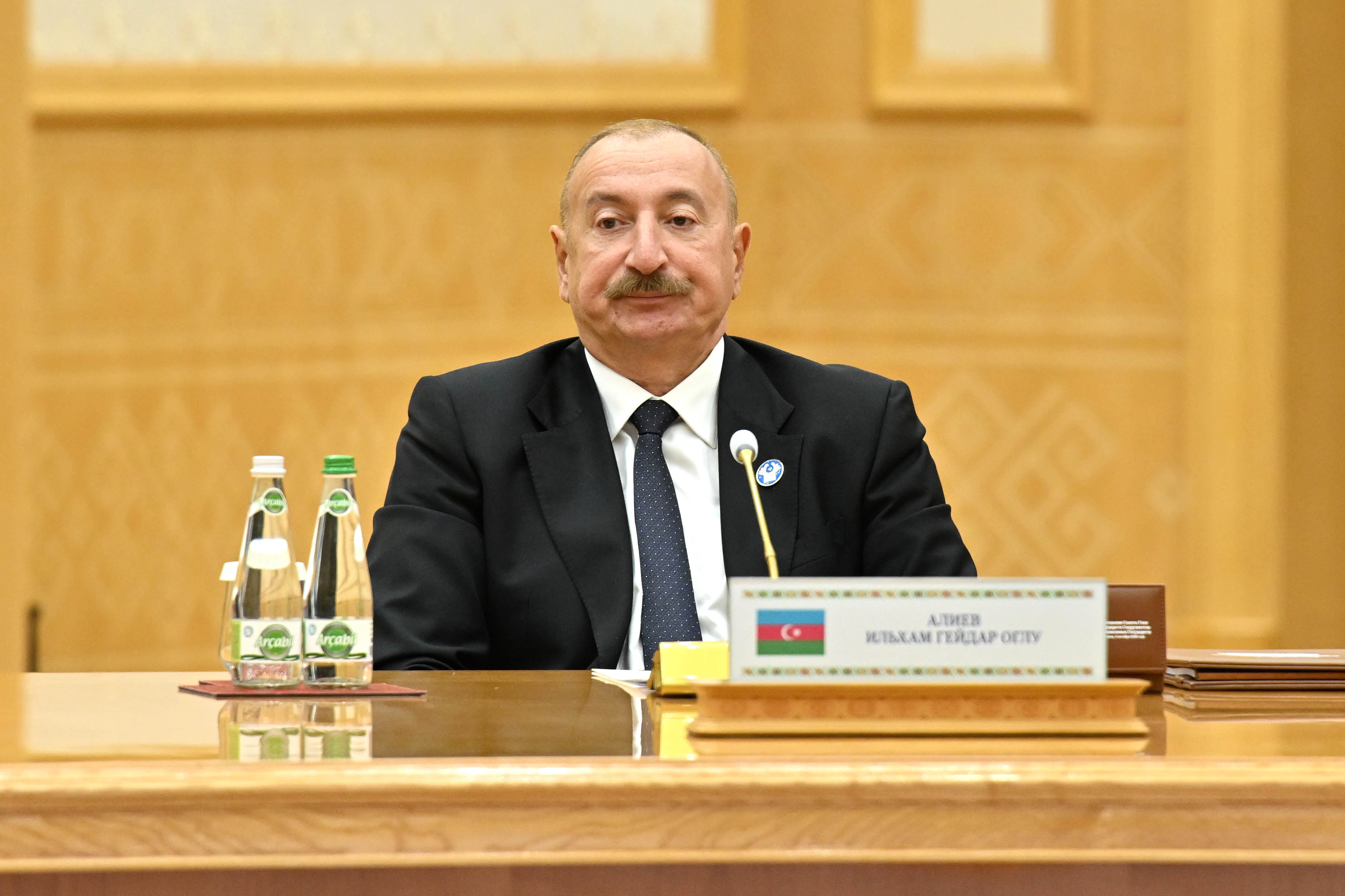
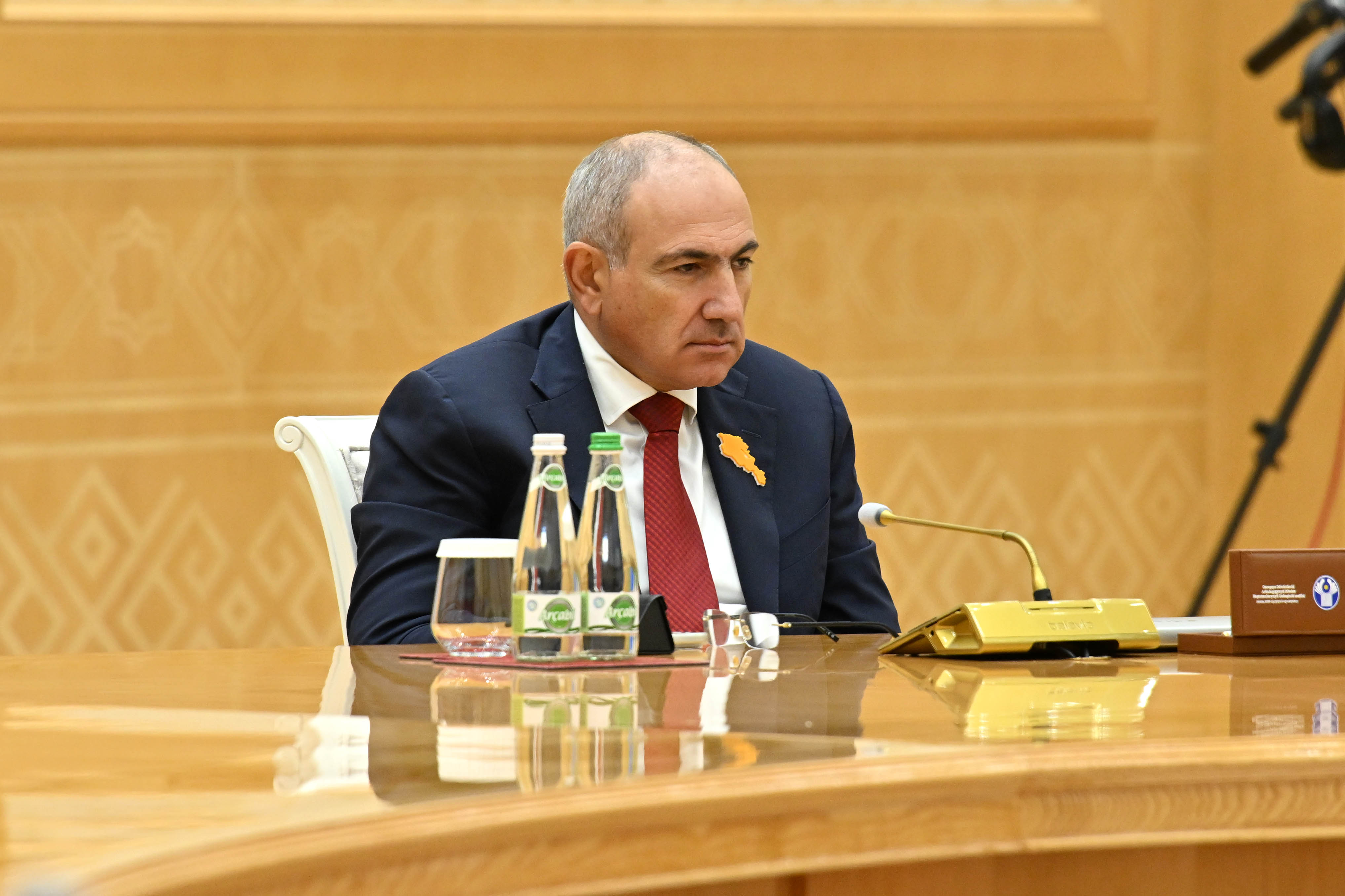
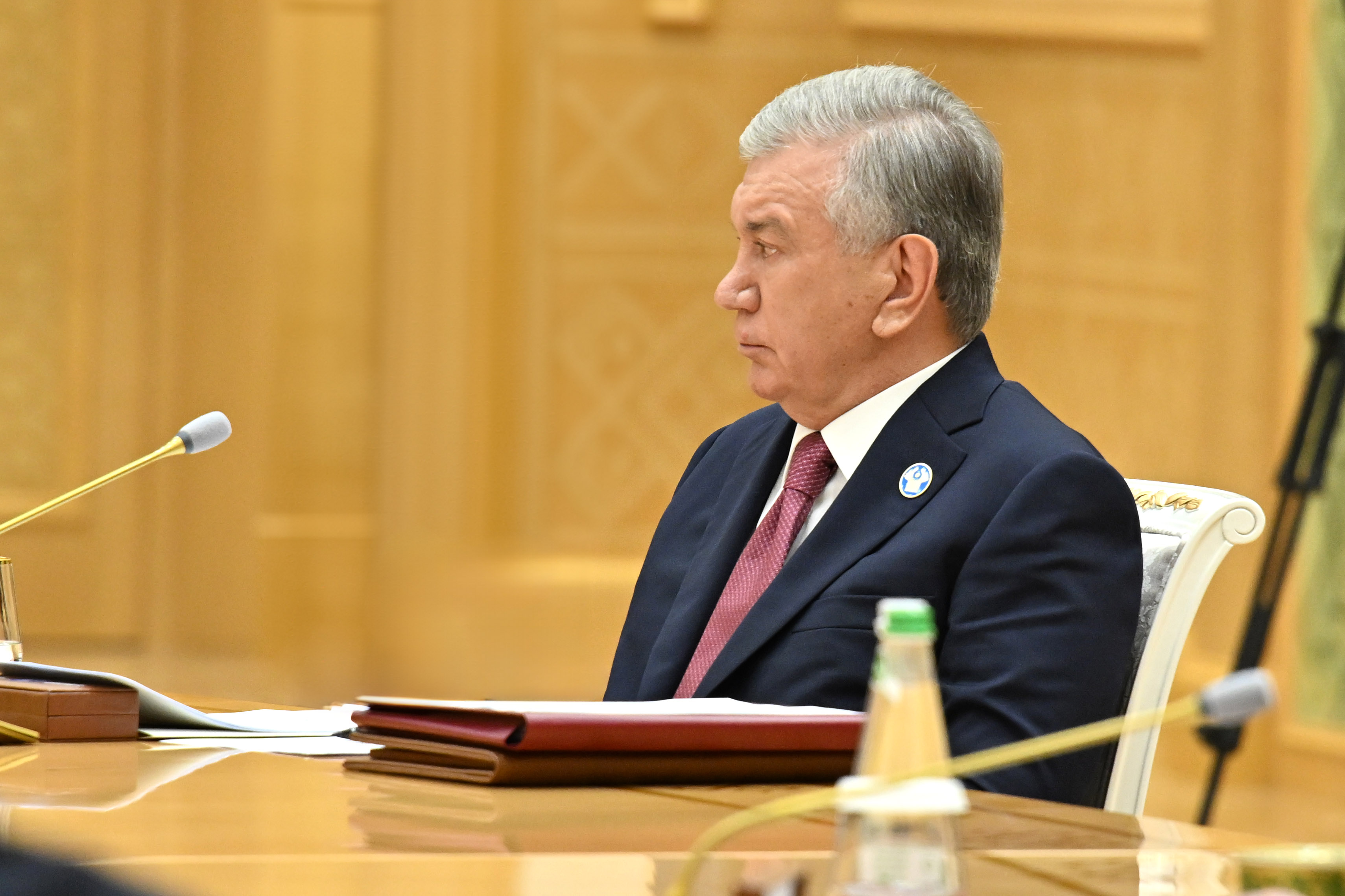
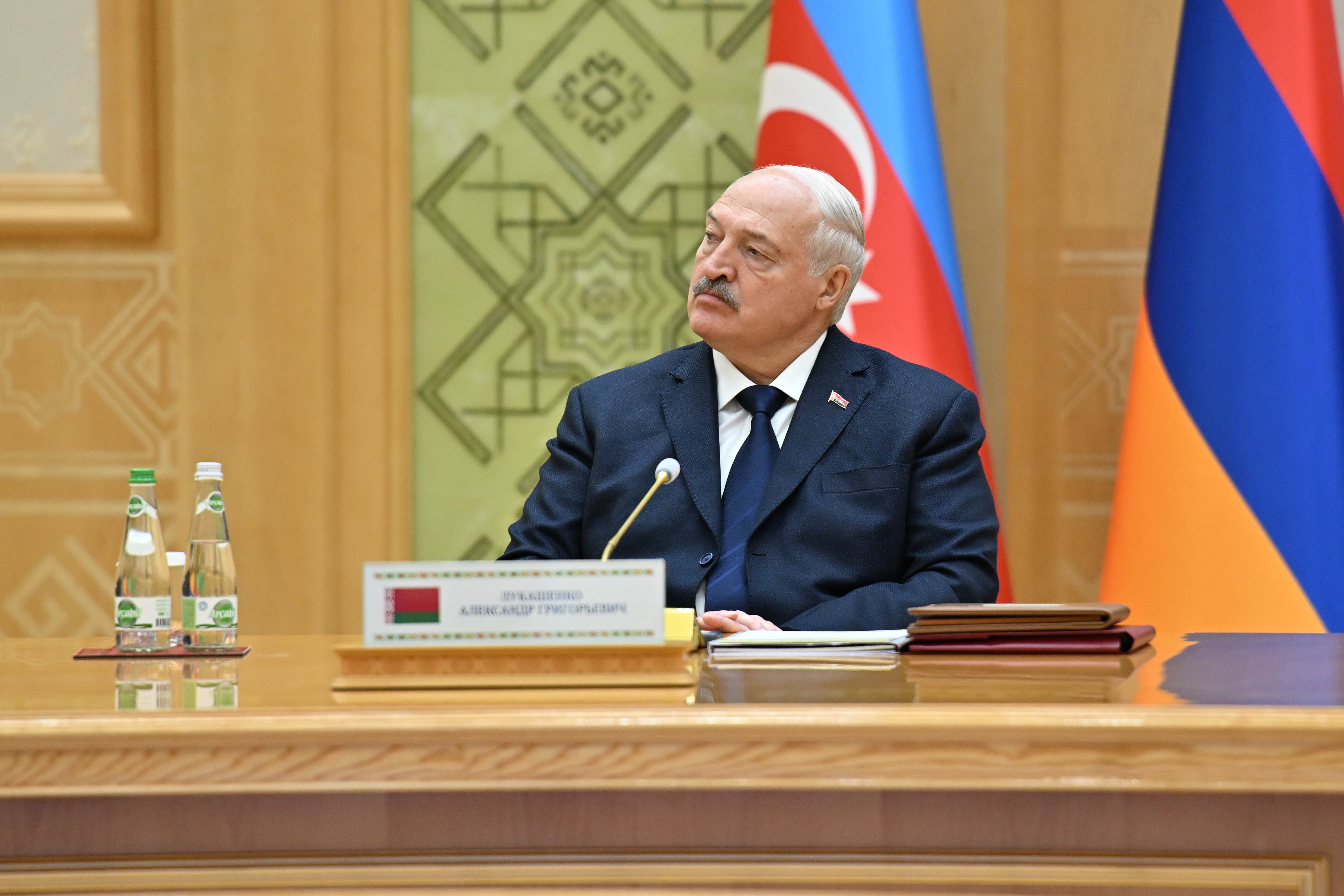
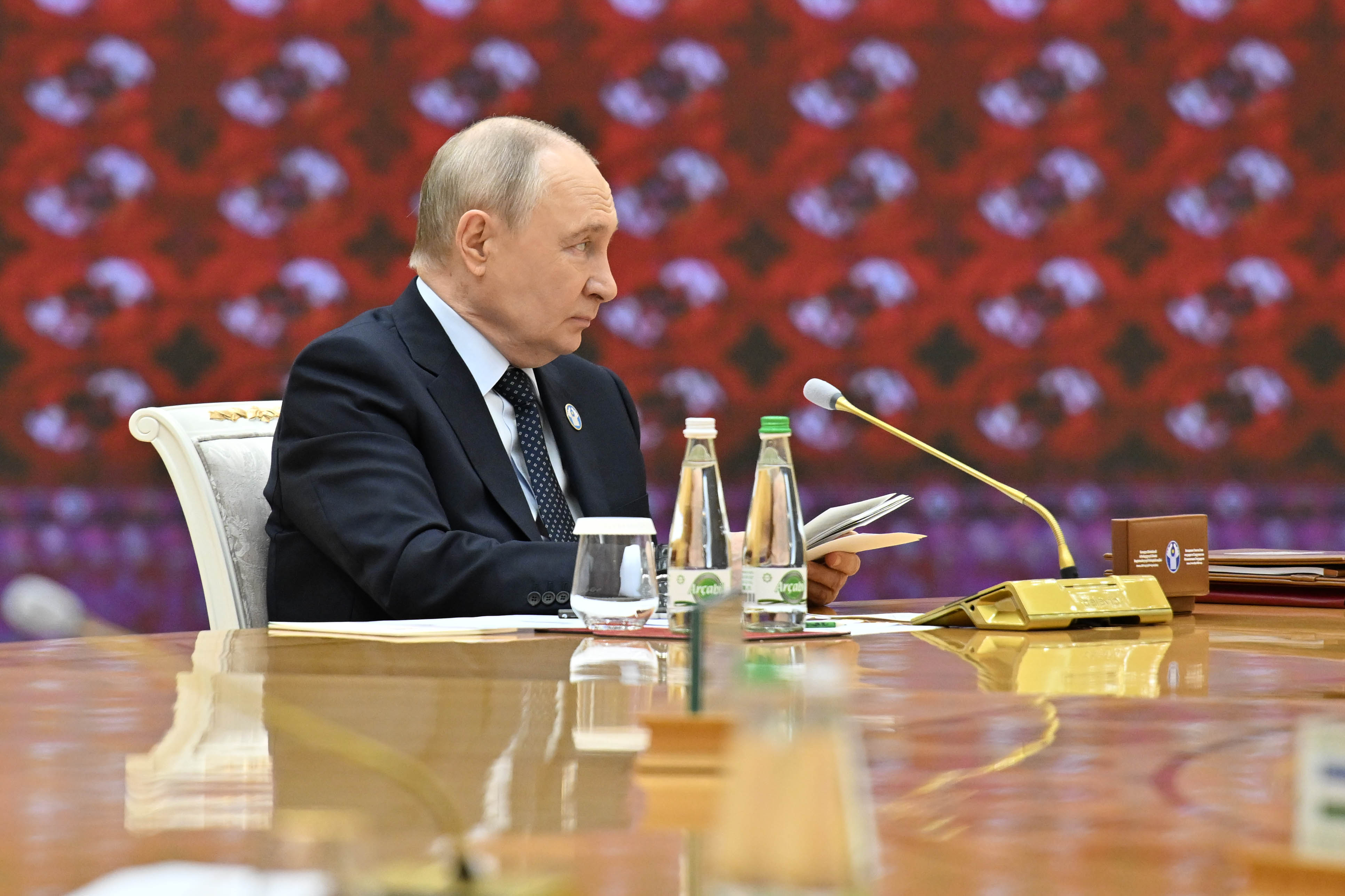
The meeting was also addressed by President of Turkmenistan Serdar Berdimuhamedov, President of Azerbaijan Ilham Aliyev, Prime Minister of Armenia Nikol Pashinyan, President of Belarus Alexander Lukashenko, President of Kyrgyzstan Sadyr Japarov, President of Russia Vladimir Putin, President of Tajikistan Emomali Rahmon, President of Uzbekistan Shavkat Mirziyoyev, and CIS Secretary General Sergey Lebedev.